Abrasive Blasting
Subscribe to RSS Feed

Remove Paint and Rust with Abrasive Media Blasting
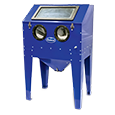
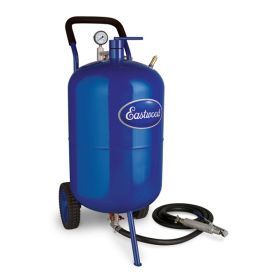
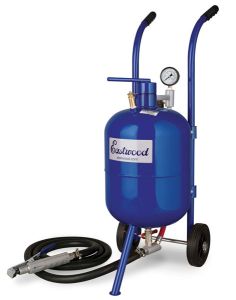
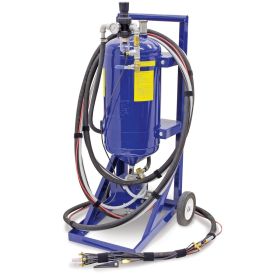
Media blasting, also referred to as "sandblasting," is one of the fastest ways to remove paint and rust, leaving behind a clean metal surface. Eastwood offers a variety of blasting equipment including pressure blasters, blast cabinets, soda blasters, and siphon blasters, in addition to an assortment of blast media.
Blasters for All Metal Striping Needs
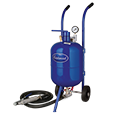
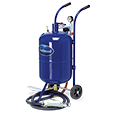
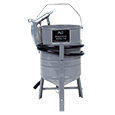
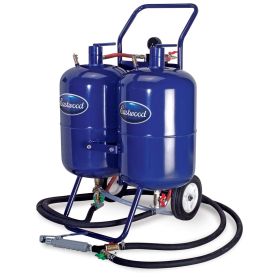
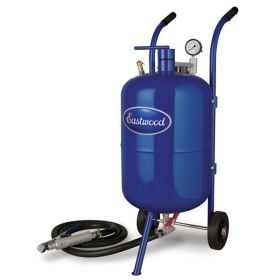
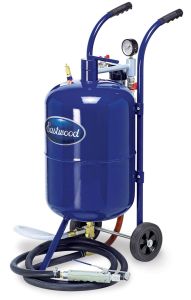
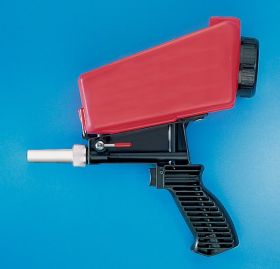
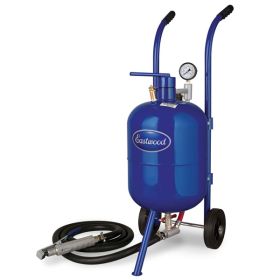
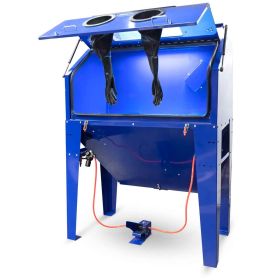
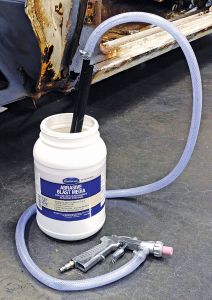
There are numerous solutions for abrasive blasting depending on the type of material being removed and worked on. Eastwood has you covered for all of them. Our pressure sandblasters are a powerful way to grind rust off frames, housings, chassis, and other heavy-duty parts. For sheet metal and other thin materials, a soda blaster will remove paints without destroying the texture. Blasting cabinets allow you to strip small parts in an enclosed system with minimal mess. If you’re on a tighter budget or working on larger parts, you can use a siphon spot blaster that connects directly to an air compressor.
Blasting Media and Accessories
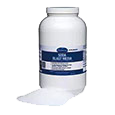
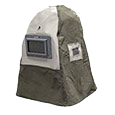
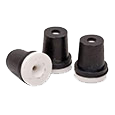
Once you select an Eastwood abrasive blaster, you will also need the right supplies. We stock several types of blasting media for use on various materials. Whether you're stripping aluminum, steel, or die-cast metal or you just need light rust removal, we have a blaster media best suited to the job. Some machine parts are going to wear out over time, and you can replace them from our inventory of nozzles, dust collectors and other gear. And don't forget proper media blasting safety equipment to protect against dust inhalation and skin abrasion.
Power Your Way to Bare Metal
At Eastwood, we're all about doing the job right - and with the right abrasive blasting equipment, you will be too. Anyone who does auto restorations will eventually need to strip metal, and these blasting systems and supplies are developed with your success in mind.
What kind of project do you have in mind? Our experts are available to help you via phone or email, and they have answers for you, no matter how picky you think your questions are. Our staff will help you point the way toward the best abrasive blasting equipment for you, and our 100 percent customer satisfaction guarantee will ensure you are thrilled with the addition to your workshop.

Most Popular in Abrasive Blasting
Newest in Abrasive Blasting


Article: Abrasive Blasting
If you’re gonna prep a part for paint or powder you’re going to want something that’s efficient so you aren’t sitting there all day working. If you want something that’s going to be effective, removing a 100% of all your coatings, corrosion and contaminants the best method is abrasive blasting […]
![If you’re gonna prep a part for paint or powder you’re going to want something that’s efficient so you aren’t sitting there all day working. If you want something that’s going to be effective, removing a 100% of all your coatings, corrosion and contaminants the best method is abrasive blasting […]](https://www.eastwood.com/media/catalog/category/Abrasive_Blasting/blasting_Garage-Image.jpg)


Remove Paint and Rust with Abrasive Media Blasting
Media blasting, also referred to as "sandblasting," is one of the fastest ways to remove paint and rust, leaving behind a clean metal surface. Eastwood offers a variety of blasting equipment including pressure blasters, blast cabinets, soda blasters, and siphon blasters, in addition to an assortment of blast media.
Blasters for All Metal Striping Needs
There are numerous solutions for abrasive blasting depending on the type of material being removed and worked on. Eastwood has you covered for all of them. Our pressure sandblasters are a powerful way to grind rust off frames, housings, chassis, and other heavy-duty parts. For sheet metal and other thin materials, a soda blaster will remove paints without destroying the texture. Blasting cabinets allow you to strip small parts in an enclosed system with minimal mess. If you’re on a tighter budget or working on larger parts, you can use a siphon spot blaster that connects directly to an air compressor.
Blasting Media and Accessories
Once you select an Eastwood abrasive blaster, you will also need the right supplies. We stock several types of blasting media for use on various materials. Whether you're stripping aluminum, steel, or die-cast metal or you just need light rust removal, we have a blaster media best suited to the job. Some machine parts are going to wear out over time, and you can replace them from our inventory of nozzles, dust collectors and other gear. And don't forget proper media blasting safety equipment to protect against dust inhalation and skin abrasion.
Power Your Way to Bare Metal
At Eastwood, we're all about doing the job right - and with the right abrasive blasting equipment, you will be too. Anyone who does auto restorations will eventually need to strip metal, and these blasting systems and supplies are developed with your success in mind.
What kind of project do you have in mind? Our experts are available to help you via phone or email, and they have answers for you, no matter how picky you think your questions are. Our staff will help you point the way toward the best abrasive blasting equipment for you, and our 100 percent customer satisfaction guarantee will ensure you are thrilled with the addition to your workshop.