

Filters
Filter By


Rust Solutions


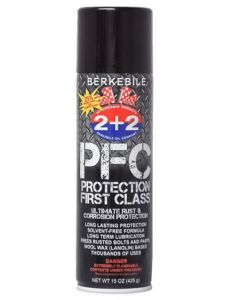

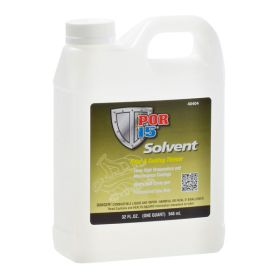
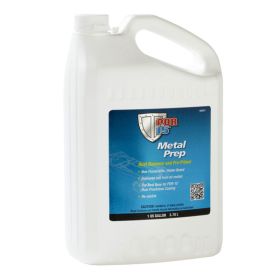
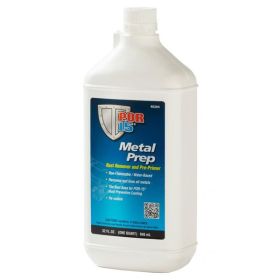

Eastwood Rust Treatment, Removal and Prevention
A lot has changed about auto restoration since Eastwood got started in 1978. But one thing is still the same: rust is a problem. It's one of the biggest enemies we fight. We find projects covered in it. We hunt small patches, hoping to stop them before they become gaping holes. We get surprised by new patches on exteriors and go on hunts underneath to check our frames and undercarriages. For as long as there have been cars, there have been rusty parts. Water, snow, salt and other elements are constantly trying to eat away at the metals used throughout your vehicle.
Before you do any restoration work on your vehicle, you usually have to deal with rust in a big way. That means stopping rust in its tracks, removing old rust, preventing new rust from forming or all of the above.
Lucky for you, Eastwood offers some of the best rust removal products around. If you have parts you want or need to reuse, but have stubborn rust build-up, we're ready to help. Eastwood rust proofing products are also available that prevent rust from forming. We've developed proven formulas based on more than 40 years of experience and also carry brands such as POR-15, 3M, Kano and Thread Wizard.
What is Anti-Rust Solution?
There are three primary types of Eastwood rust products. Here's how each of them works and when you might need them:
Rust Removal
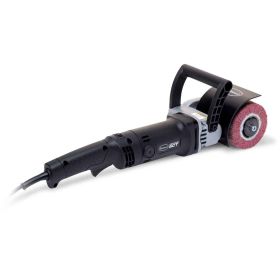
This is exactly what it sounds like: removing rust from parts and leaving the bare metal behind. Eastwood Contour SCT® abrasive wheels, drums and sanding band are an effective rust removal solution. These finishing wheels come in many sizes, shapes and grits. If you're dealing with light surface rust, Eastwood Fast Etch is the best rest rust remover spray for DIYers. Wire brushes and thread cleaners are great for restoring hardware.
Rust Treatment
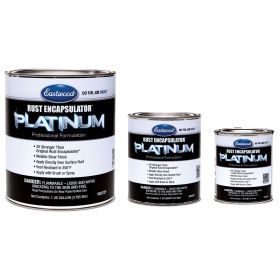
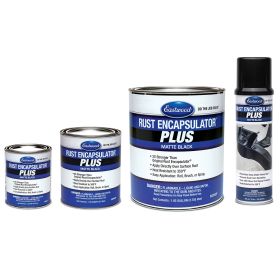
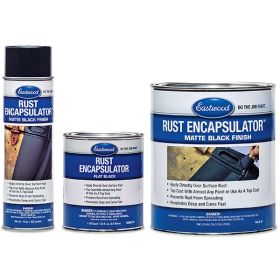
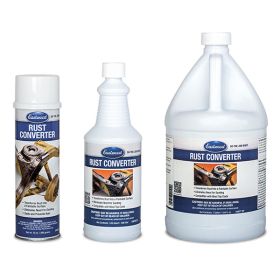
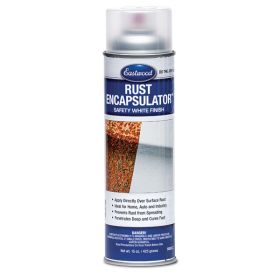
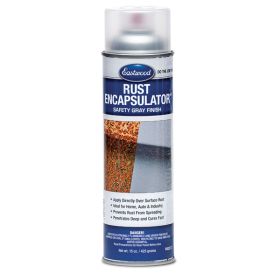
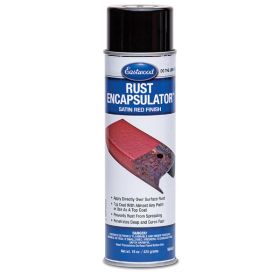
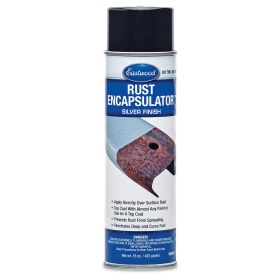
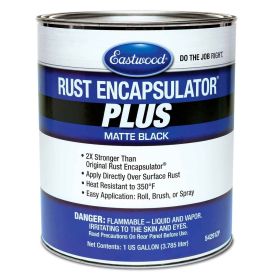
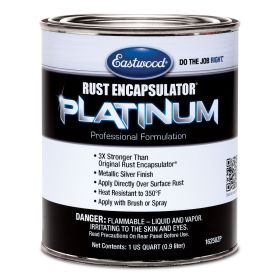
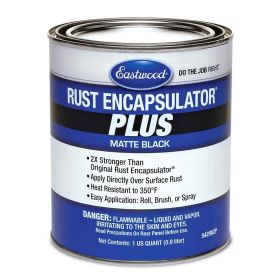
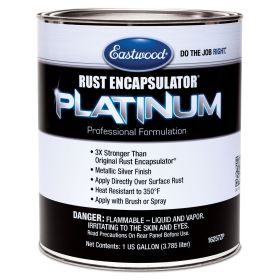
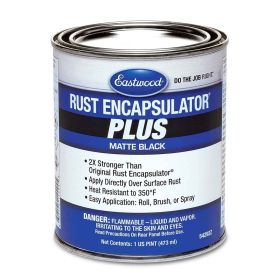
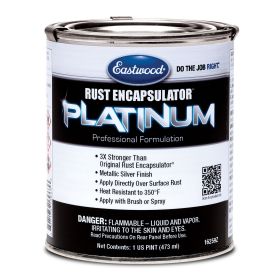
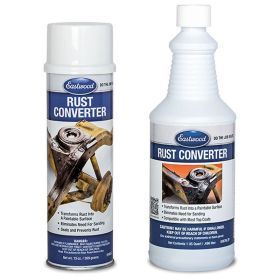
If you have stubborn rust in the wheel wells or other places where you can't easily remove it, you can at least stop it from getting worse. Eastwood Rust Encapsulator seals rust in so it won't spread. It's available in regular, Plus and Platinum formulas for different degrees of rust. Another treatment option is Eastwood Rust Converter, which transforms residual rust into a ready-to-paint surface — no sanding needed.
Rust Prevention
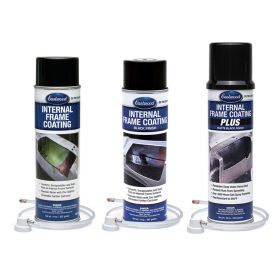
The best way to deal with rust is to not let it occur in the first place. Eastwood stop rust products include heavy-duty anti-rust spray, self-etching primer and Kroil penetrating oil. For dealing with rust in hidden areas, like inside a frame, Internal Frame Coat seals and stops rust from damaging your vehicle from the inside out.
Call or email the Eastwood tech team if you need assistance. We have a lot of experience dealing with rust, and we'll use that to help you find the right solution with a 100% customer satisfaction guarantee.